
PLAY GOKU GAMES ONLINE
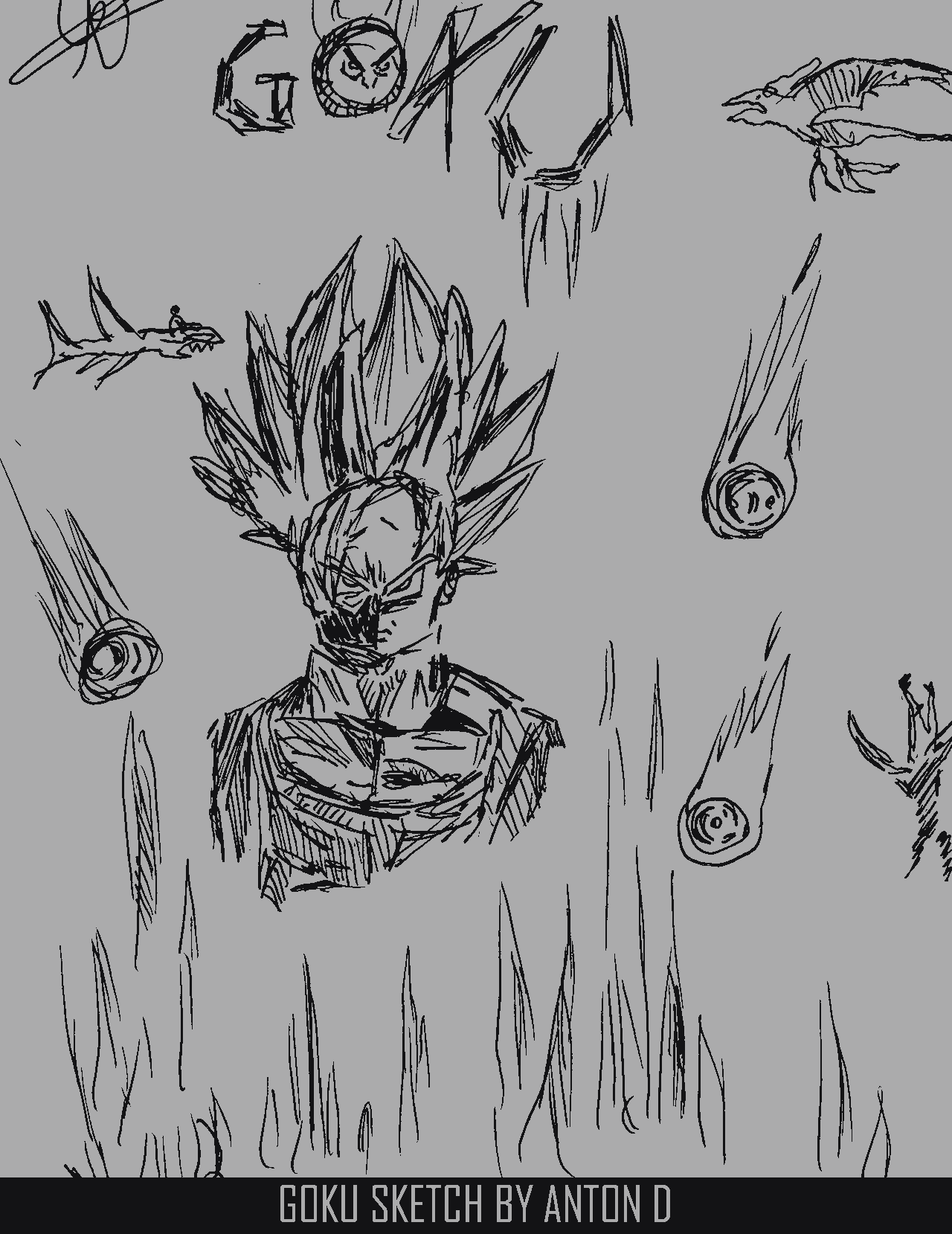
Goku is the main protagonist of the Dragon Ball series, created by Akira Toriyama. He's a Saiyan, a powerful warrior race, who was raised on Earth. Goku is known for his cheerful, optimistic personality and his insatiable desire to grow stronger. He loves fighting and challenges, constantly pushing himself to new limits, often through intense training or battles with increasingly powerful foes. Despite his immense strength, Goku is humble and kind-hearted, always ready to help others and protect Earth from danger.
Over the course of the series, Goku evolves from a naive boy with a monkey tail into one of the most powerful fighters in the universe, mastering various martial arts techniques, the ability to manipulate energy (like his iconic Kamehameha), and reaching incredible power levels, such as Super Saiyan and beyond. His journey is filled with adventures, making friends and enemies, and constantly striving to be the best version of himself. His love for adventure, his family, and his never-give-up attitude are central to his character.
I know Goku's the hero. THE guy. Saved the Earth like, a million times. But sometimes... sometimes I watch him, and I just... facepalm. HARD.
Like, remember Namek? Frieza? The dude just blew up Krillin, his best bud since forever! And yeah, Goku goes Super Saiyan, totally epic, chills every time. BUT THEN. He just... lets Frieza power up to 100%?! Dude! Bro! Pal! The planet is LITERALLY falling apart around you! Just END IT. Whyyyyyy do you need to fight him at his absolute strongest when he's pure evil and just murdered your friend?! It drives me INSANE.
It's like he's got this weird... addiction? Not just to fighting, but to fighting the strongest possible version of the bad guy, even if it puts literally everyone and everything at risk. Cell getting a Senzu Bean? C'MON!
And don't get me started on him just teleporting away to train when things get tough on Earth sometimes. Yeah yeah, he comes back stronger, saves the day eventually, but man, talk about stressful for everyone else left behind! Imagine being Chi-Chi. I'd have grey hair by age 30.
BUT... and here's the thing that messes with my head... despite ALL that questionable decision-making... when he does show up? When he gets that serious look, powers up, and just unleashes hell? There's NOBODY better. That feeling when you know Goku's about to turn the tide? It's unbeatable. That raw power, that kinda simple, pure-hearted determination (even if it's sometimes focused on the wrong thing lol)... it still gets me hyped like nothing else.
So yeah. He's infuriating. He makes me wanna tear my hair out sometimes with his battle-obsessed tunnel vision. But damn it, he's our infuriating, ridiculously strong, kinda simple-minded hero. Wouldn't trade him, even if I sometimes wish Vegeta was in charge of strategy.